
Essential CNA Supplies: The Ultimate Gear List for New Assistants
Being a nursing assistant requires specific tools that help nurses do their work effectively. But after passing the boards and becoming a certified nursing assistant, you may not have a clue where to start shopping for CNA starter kit items. You may find yourself in the middle of a busy hall without a pen, or after only half of the shift your feet might start throbbing.
There are a lot of lists of the best cna supplies, but the fact is that your pockets have a limited amount of room and your salary cannot all be spent on equipment. Choosing nursing assistant accessories wisely is important since it will help reduce the number of distractions and allow you to focus on patient care better.
Your Feet Are Your Lifesavers
If you think you can get away with any kind of sneaker on a busy floor, you’re sorely mistaken. During a 12-hour shift, an experienced nursing assistant walks between 4 and 7 miles, so you’d better invest in good footwear.
Compression Socks Are a Must
Compression socks are usually recommended for patients suffering from venous insufficiency. However, a good pair can serve as prophylaxis for developing edema or varicose veins in the legs. The most optimal type of compression is 15-20 mm Hg. Despite some people finding them uncomfortable to wear initially, you will be pleased with the reduction of leg swelling by the end of the shift.
Footwear Requirements
To avoid accidents, always make sure your feet are protected properly. When looking for suitable footwear, keep in mind that the floor in the medical institution may turn out to be slippery when least expected, so try looking for a pair with non-slip rubber outsoles. According to research on workplace accidents in the health sector, using shoes that are slip resistant may prevent injuries by 60%. There is a wide range of shoes available on the market: from Danskos to specialized sports footwear. The main criterion is that your nursing assistant shoes should cover the toes and protect your feet from liquids.
The Essentials Every Nursing Assistant Needs
Most institutions supply wall-mounted devices in patient rooms, but there are times when you may need some nursing assistant accessories for faster assessment.
- The Stethoscope
There is no need to invest in a premium stethoscope if you’re just starting out in the medical profession. The disposable models often used for isolated patients are barely useful to monitor apical pulse or blood pressure correctly. However, a decent acoustic stethoscope will be able to discern heart sounds.
Tip: Try to choose a stethoscope of distinctive color and write your initials on the cord. This way, you’ll reduce the risk of “forgetfulness,” as they are the most often borrowed pieces of equipment in nursing homes.
- Analog or Smartwatch?
Every nurse needs a watch. Even though smartwatches are quite popular among healthcare workers nowadays, many professors prefer watches with a second hand. Why? It takes extra effort and time to activate a smartwatch screen when taking pulse or blood pressure. An affordable, yet effective alternative would be to purchase a waterproof silicone watch. You will be able to clean it with disinfecting bleach at the end of each shift.
- Penlights for Patient Assessment
A reliable penlight will be needed rarely, but in cases when you need to assess the pupils of a patient quickly or find a lost hearing aid in the bed. Remember to get a penlight with a printed scale for easy measurement of pupil dilation.
The Pocket Essentials: Useful Tools for CNA Work
Effectiveness in healthcare may be measured by the number of trips you make back to the storage cabinet. Being able to carry all of these items will definitely make you the most dependable person around.
Trauma Shears (or Medical Scissors)
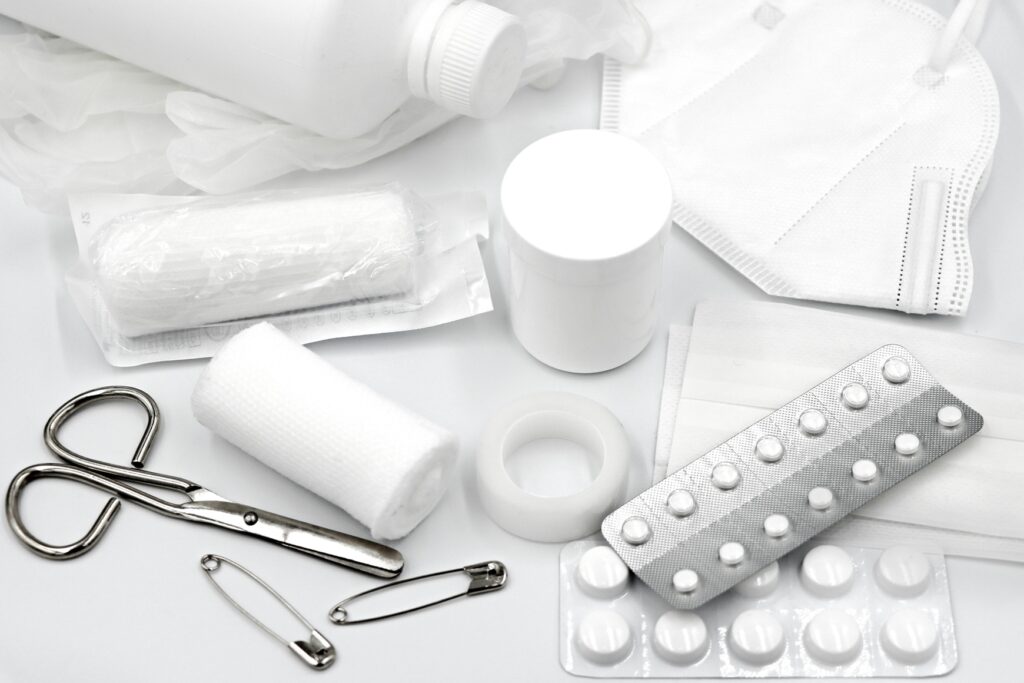
Office scissors cannot be used in any sort of clinic. These shears feature a blunt tip that doesn’t accidentally nick any skin and are robust enough to cut plastic bracelets, bandages, and even clothing in emergencies. Trauma shears are among useful nursing assistant accessories that you must always have with you.
Multi-Color Click Pen
Documentation takes up a huge part of any nurse’s day-to-day responsibilities. Having four-color pens (black, blue, red, and green) will let you highlight important information such as which shifts you covered and which tasks to perform according to your “brain sheet.”
Tip: Errors made in manual documentation constitute a sizable amount of all medical mistakes. Implementing a certain color-coding system for your hand-written notes can save you from making mistakes when typing everything into the computer later on.
Pocket Note Pad
HIPAA regulations are very tough when it comes to documenting patient-related matters. But you might want to write down such things as “Patient in room 202 has vitals of 120/80” or “Patient in room 405 needs new water bottle.” Always remember to throw out all these notes by the end of your shift.
Apparel and Personal Protection
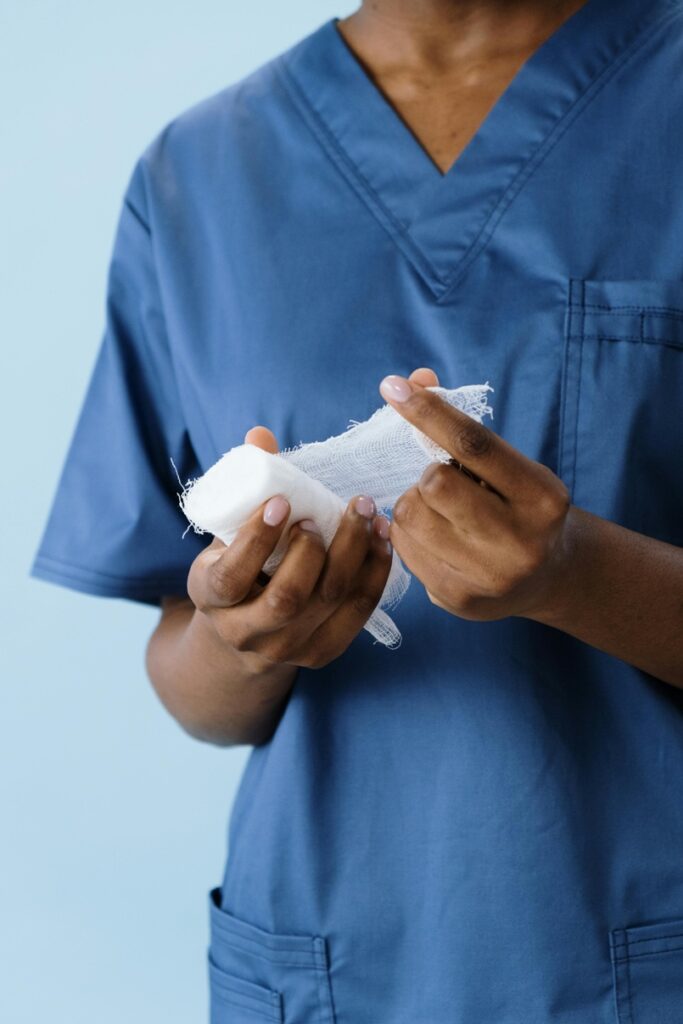
Your cna scrubs are your uniform, tool belt, and primary protection against contamination.
Scrub Choice
Fabric engineering has made huge strides forward. Look for moisture-wicking materials (i.e., polyester, spandex, rayon). Cotton scrubs are comfy, but they retain water well and tend to wrinkle easily. Modern cna scrubs now almost always come equipped with antimicrobial coatings.
Number of Pockets
You should have two or more hip pockets and one chest pocket. Additional cargo pockets on pants are also great. Here’s where you’re going to keep your cna tools such as phone (if applicable), alcohol swabs, and tape.
The Backup Kit
Every seasoned assistant knows that you must have a spare uniform in your car at all times. From incontinence to vomit to other messes, you statistically stand a chance of requiring a fresh set of clothes once every few months or so.
Second-Level Nursing Assistant Tools for Efficiency
In addition to the basics, here’s how you step up and become a pro.
Retractable Badge Reel: Never use a lanyard to wear your badge. Lanyards can be strangulation hazards for any confused patient who might try to grab it. A durable retractable badge reel is a much safer alternative and keeps your badge handy while you work at the bedside.
Hand Lotion: As a nursing assistant, you wash or sanitize your hands from 30 to 50 times a day. As a result, you may develop contact dermatitis and cracked skin. The non-sticky fragrance-free barrier hand lotion is essential.
Hemostats: Small hemostats can help you to tighten IV tubing (after asking permission from the nurse), open packages of items, or hold stubborn plastic bottle lids.
Downsides: What Should NOT Be Purchased
When purchasing tools, we recommend paying attention to what not to include in your kit.
Utility Belts: They appear helpful, but they’re bulky and might scratch bed rails or catch on curtain strings. Everything must fit inside your scrub pockets comfortably.
Expensive Jewelry: Stone rings might tear your gloves increasing the risk of contamination, while necklaces can be yanked off by residents. Silicone wedding bands are your best bet.
Fragrances: Fragrances are known allergens that could lead to adverse reactions among patients suffering from asthma, respiratory infections, or nausea.
Professional and Occupational Standards of Care
The Occupational Safety and Health Administration (OSHA) has a detailed list of recommendations about Personal Protective Equipment (PPE). While your institution provides you with gloves, gowns, masks, and other essentials, you should equip yourself with the corresponding items. Your shoes and scrubs have to meet your PPE standards as well. Fluid-resistant shoes are crucial for your safety from blood exposure.
According to the Bureau of Labor Statistics, CNAs are among those workers with the highest rate of musculoskeletal disorders. Therefore, the purchase of ergonomically-designed items, including shoes, or a back brace if needed, is an excellent career-sustaining strategy.
CNA Equipment Price Guide
| Equipment Item | Entry-Level Price | Mid-Range Price | Premium/Pro Price | Estimated Replacement Cycle |
| CNA Scrubs (Per Set) | $20 – $35 | $40 – $60 | $70 – $95+ | 12 – 18 months |
| Non-Slip Medical Shoes | $45 – $65 | $80 – $120 | $150 – $190 | 6 – 12 months |
| Compression Socks | $10 – $15 | $18 – $28 | $35 – $50 | 4 – 6 months |
| Acoustic Stethoscope | $25 – $40 | $55 – $95 | $110 – $220 | 5 – 10 years |
| Analog Watch (Second Hand) | $15 – $25 | $35 – $55 | $75 – $120 | 2 – 4 years |
| Trauma Shears | $7 – $12 | $15 – $25 | $40 – $80 | 1 – 2 years |
| Medical Penlight | $8 – $12 | $15 – $22 | $30 – $50 | 1 – 2 years |
| Retractable Badge Reel | $5 – $8 | $12 – $18 | $20 – $30 | As needed |
| Pocket Notebook/Pens | $5 – $10 | $12 – $20 | $25 – $35 | Monthly (Pens) |
FAQ
Question #1 – Do I have to purchase a BP cuff?
No. Hospitals and LTCs provide both manual and digital blood pressure devices. However, you can buy a small analog device for practicing your “listening” skills at home before clinicals.
Question #2 – What color scrubs should I buy?
Consult your employer or school first. Facilities use scrubs’ color-coding for patients to distinguish between CNAs (for example, royal blue), nurses (for example, navy), and Respiratory Techs (dark green).
Question #3 – How many sets of scrubs should I get?
If you’re working full-time (3+ shifts a week), you will require at least five pairs. That way, you won’t have to do your laundry every night after work. Plus, you’ll be prepared for unexpected situations.
Question #4 – Are smartwatches allowed at clinicals?
Schools may forbid them since they can be distracting and even used to cheat on the clinical exam. On the job, it’s perfectly acceptable. Just remember to wear a silicone or metal strap on your watchband.