
What Does a Certified Nursing Assistant Do?
A Certified Nursing Assistant is always considered as a team player when it comes to tasks and responsibilities. If you are looking to work as a CNA, then you should probably understand what does a certified nursing assistant do on a regular basis. CNA job description and duties generally do not provide a clear idea of the work, especially for students who are newly stepping into healthcare.
A nursing assistant directly works with patients and provides assistance to nurses by providing basic care. The job usually have long working hours and it mainly focuses on helping patients with everyday needs. We will now explore in more detail what the CNA work description looks like in real life, and what the students should expect when they start their job.
Understanding the CNA Role Description

As the name (Certified Nursing Assistant) suggests, they are the primary providers of hands-on patient care. The nursing assistant role mainly includes providing support to patients who cannot fully care for themselves because of illness, injury, age, or who are recovering from surgery.
The role does not involve diagnosing patients or treating them. The main task is to work under the supervision of licensed nurses and follow care instructions as provided. A nurse aide never makes any medical decisions; however, their role is still very important because they spend a large amount of time with patients.
In many healthcare settings, patients interact with nursing assistants most time of the day.
What Does a CNA Do during Working Hours?
It is the first question that arises in the mind of a beginner, which usually refers to the daily responsibilities of a nursing assistant. Every work setting is different than the other, however, there are some general tasks that a nurse aide performs during their working hours as mentioned below:
Helping With Daily Personal Care
Personal care is one of the key CNA duties. Most shifts begin with providing basic personal care and making sure patients are comfortable. They help patients with ADLs (Activities of Daily Living):
- Bathing and washing
- Brushing teeth and grooming
- Getting dressed
- Using the restroom
- Changing briefs or bedsheets
Some patients only need a little help, whereas others might need full assistance, so a nursing assistant is always trained to help patients safely and respectfully at all times according to need.
CNAs also need to help patients with timely meals and drink fluids throughout the shift as required, and report poor appetite if noticed to the nurses.
Helping Patients Move Safely
Another key part of nursing assistant duties involves helping patients move such as:
- Sit up in bed
- Stand or walk with support
- Shifting them from bed to wheelchair
- Repositioning
Safe lifting and movement techniques are taught during nurse aide training. This part of the job can be physically demanding, especially during long shifts.
Taking Vitals and Basic Measurements
Monitoring basic health signs is part of many CNA duties. It includes measuring the following:
- Body Temperature
- Patient’s Blood pressure
- Checking Pulse
- Analyzing Breathing rate
A certified nurse aide should know how to measure these accurately and share the output with nurses. They do not analyze the results; it is done by trained nurses.
Even small changes in vital signs can help nurses notice early health concerns.
Observing Patients and Reporting Changes
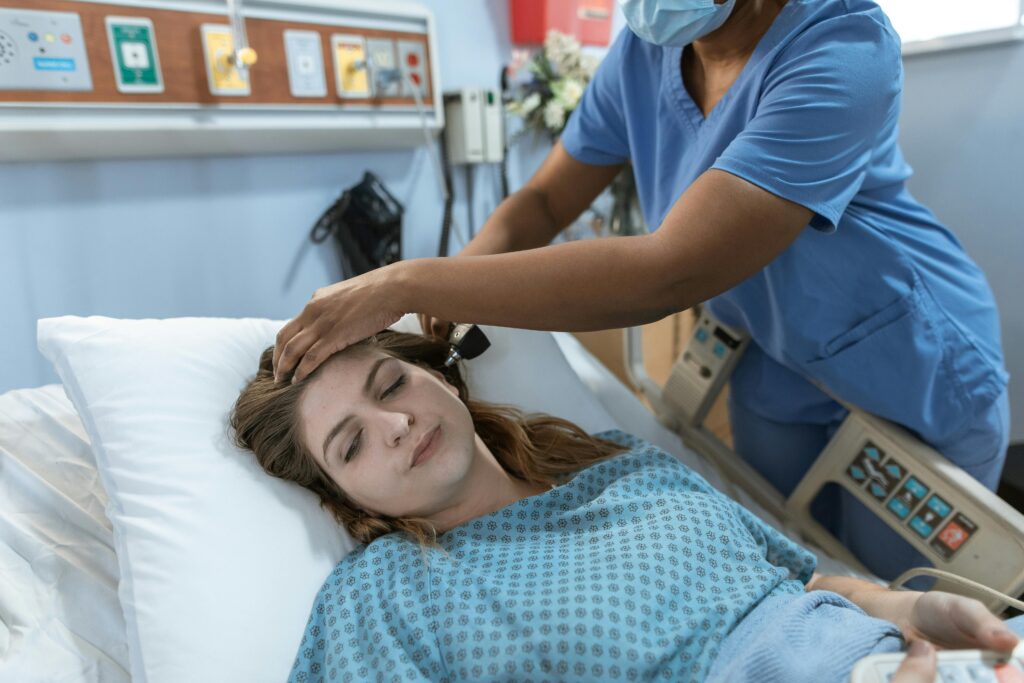
Observation is one of the key nursing assistant responsibilities in hospital and long-term care settings because a nurse aide spends most of their time with patients, so he/she is the first to notice any changes in a patient. Those changes could be anything as listed below:
- Loss of appetite
- Increased confusion
- Pain or discomfort
- Skin condition changes
If noticed, these changes need to be reported to the nurse, who helps the nursing team take quick actions and keep patients safe. Thus, Good communication skills are also an important factor in this role.
Supporting Nurses and the Healthcare Team
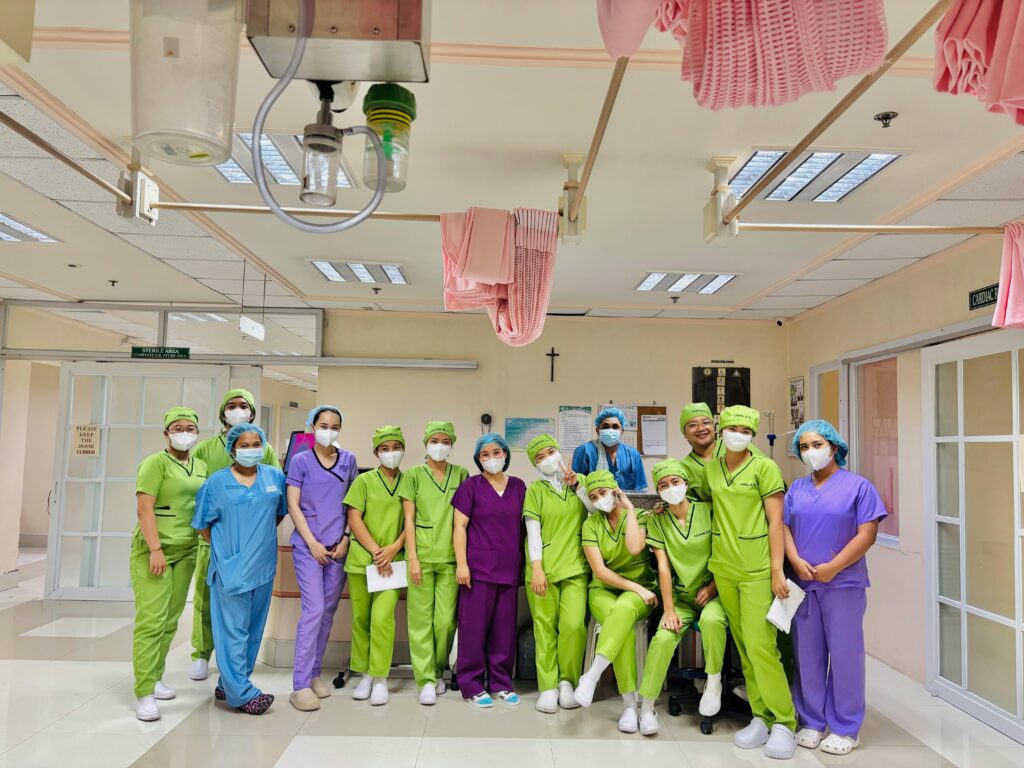
Another key duty mentioned in CNA work description is that they support the nurses at all times because they handle basic personal care tasks, so it allows nurses to handle medications, treatments, and patient assessments in a more focused manner. This teamwork helps healthcare facilities run smoothly and manage multiple patients.
CNAs should also answer emergency calls done via the signalling system provided to the patients, restock supplies, keep patient areas clean to maintain hygiene, and also help patients stay comfortable if required. It may be difficult for nurses to manage the workload without the support of nursing aides.
Before the shift ends, nursing assistants should communicate important updates to nurses, including any changes in patient condition or concerns noticed during care.
Work Environment and CNA Job Pay
A nursing assistant work in many healthcare settings, including hospitals, Nursing homes, Assisted living facilities, Long-term care centers. The CNA work description can change depending on where you work. E.g.
- Home healthcare requires one-on-one patient support with a deep focus on a single patient’s needs.
- Nursing homes mainly require assistance to patients with long-term daily care and hygiene.
- Hospitals require fast-paced and frequent patient movement.
Because patients require care at all hours, the work almost always includes a rotating schedule of night shifts, weekends, and holidays. Therefore, you need to be flexible for this type of job in the healthcare sector. Beginners use this role as a starting point before continuing further education in nursing.
Average CNA pay
Let’s talk numbers. The CNA salary can vary wildly depending on your state. According to recent BLS data, the national median sits around $19.04 per hour, but location is a crucial factor in play.
- Highest Paying: States like Alaska and California often offer averages closer to $45,000–$50,000 per annum.
- Lowest Paying: States in the Southeast often see averages closer to $32,000 per annum.
Comparison of Nurse Aide With Other Similar Occupations
Licensed Practical Nurse (LPN) Vs. Certified Nursing Assistant
Both licensed practical nurses and nursing aides play an important role in providing routine care to patients in hospitals, nursing homes, and other long term health care centers. Their duties are nearly similar, except that an LPN has more technical and supervisory responsibilities than a nursing assistant. Both professions have certain differences in terms of scope of practice and coursework,. Let’s examine them in detail.
- Scope of practice
LPNs report to Registered Nurses (RNs). They provide basic nursing care and help in medical procedures, and they have the power to carry out the nurse aide duties too. Licensed practical nurses act as supervisors of nursing assistants. CNAs can perform the job of an LPN, but are not authorized to make independent decisions. - Duties and Responsibilities
LPN jobs include administering medications (non-IV in most states), changing sterile bandages, dressing wounds, inserting catheters,and conduct enemas. - Examination
A LPN license requires you to pass the National Council Licensure Examination for Licensed Practical Nurses.
Registered Nurse VS. Certified Nursing Assistant
Both RNs and CNAs work in the same industry. They have unique duties and responsibilities, and it is important that you know the difference between both careers. You can use this info to plan your future profession.
- Scope of practice
RNs supervise Licensed practical nurses and Nursing assistants. They have strong nursing judgement and offer High-level clinical care. They work closely and directly with patients to accomplish the duties and tasks of a nursing assistant. - Duties and Responsibilities
A Registered Nurse (RN) work includes assessing patients, deliver medical care, manage medications, administering IV drugs, and monitor patient progress and recovery. They also coordinate with doctors and other healthcare members, along with supervising other nursing staff. - Examination
To acquire an RN license, you must pass the National Council Licensure Examination for RNs.
Is the CNA Job Right for You?
To decide whether being a this is the right job for you or not, you should understand cna job description and duties thoroughly as explained above. Success in this role suits those who find genuine fulfillment in service, and who enjoy helping others directly, are comfortable with physical tasks, and are emotionally strong.
CNA work looks pretty straightforward on paper; however, day-to-day reality requires a specific temperament that is not the right fit for everyone, and that is completely okay.
To Summarize
Deciding to pursue a career as a Certified Nursing Assistant is a choice to become an important member of the healthcare system. You can plan to stay at the bedside for your entire career or use this experience as a foundation in long-term journey, the skills you learn here will be the most valuable tools to reach newer heights in your professional career.
For students and beginners, it offers real experience in healthcare. The work can be challenging, however, many nursing aides find satisfaction in helping people through everyday moments that truly matter.